
How much does it cost to file bankruptcy in RI?

ribankruptcy • April 7, 2012

Recently I met a young woman – a recent immigrant to this country – who had met with another attorney before meeting with me. Her case was relatively simple, so I was surprised to learn her first attorney had proposed a fee of $5,000. When I told her my flat fee, she was absolutely shocked.
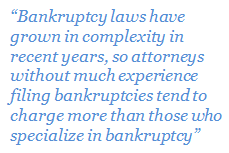
bankruptcy RII’m unaware of any Rhode Island attorney who charges less than me to file a personal bankruptcy. The typical going attorney rate is probably $1,200 to $1,500 (not counting the $306 filing fee going to the court). I personally think that an attorney’s fee of $1,200 is reasonable and fair – given the amount of work that is involved in handling a Chapter 7 bankruptcy filing correctly. And for particularly complex cases, fees of $1,500 or higher may be appropriate. (Consumers beware: the RI Bankruptcy Court actually restricts attorneys from charging more than $1,500 for a Chapter 7 filing without prior court approval.) Also, some attorneys (including myself) offer discounts to seniors and others with extremely simple cases.


How much does it cost to file bankruptcy in RI?
June 6, 2025
Filing for bankruptcy is a major financial decision, and it's not one you should make without first understanding the process. Many people begin with anxiety, confusion, or incomplete information about what filing really means. Bankruptcy attorneys regularly encounter misconceptions that can lead individuals to delay action or make choices that don’t support their long-term goals. Knowing what to expect can make a big difference in how smoothly things go. Understand What Bankruptcy Can and Cannot Do Bankruptcy is designed to offer financial relief, but it’s not a magic solution for every type of debt. Filing may discharge unsecured debts like credit cards and medical bills, but certain obligations, such as student loans, recent tax debts, and child support, are usually not erased. It's also important to understand that bankruptcy may impact your credit, but for many, the chance to start over is well worth it. According to Epiq, more than 66,000 individuals filed for Chapter 7 bankruptcy in just the first quarter of 2024, highlighting how common this form of debt relief has become. Knowing these limitations and trends ahead of time can help set realistic expectations. Know Which Type of Bankruptcy Fits Your Situation There are different types of consumer bankruptcy, and choosing the right one depends on your income, assets, and goals. Chapter 7 is often faster and can eliminate many unsecured debts, but it is also a bit more "edgy" in that there exists a need to carefully evaluate your assets in order to ensure that you don't lose anything in the process. Chapter 13, on the other hand, involves a repayment plan over at least three years, but is less "edgy" in that the risk of losing assets is virtually non-existent. A bankruptcy attorney can help you assess your specific financial picture and guide you to the option that suits your situation best. Gather the Right Documents Before Filing Preparation is key to a smoother filing process. Before filing, gather recent pay stubs, tax returns, credit card statements, and a complete list of assets and debts. Inaccurate or incomplete information can cause delays or even lead to your case being dismissed. Being organized and thorough will help your filing proceed without unnecessary obstacles and allow your lawyer to advocate effectively on your behalf. Filing for bankruptcy can feel overwhelming, but working with bankruptcy attorneys helps you make informed, confident decisions. The more you understand before filing, the better prepared you'll be for what comes next. If you’re considering bankruptcy, contact The Law Offices of David B. Hathaway today to schedule a consultation and take the first step toward financial relief.
By ribankruptcy May 9, 2015
Ever had your day interrupted by a call from a debt collector? Debt collectors have a reputation of being rude and even nasty at times. They might say it’s their job to be annoying. After all, they’re just trying to … Continue reading → The post How can I stop debt collectors from harassing me? appeared first on Rhode Island Bankruptcy Information Center.
By ribankruptcy April 30, 2013
About a month after you file a petition for personal bankruptcy in Rhode Island, you must go to the Federal Center in downtown Providence and meet with a bankruptcy trustee. The bankruptcy trustee is not a judge;  rather, she or he … Continue reading → The post Can banks or credit card companies object to my bankruptcy? appeared first on Rhode Island Bankruptcy Information Center.
More Posts →